Best Walking Pads 2026: Top Picks Ranked
Quick Comparison: Best Walking Pads of 2026
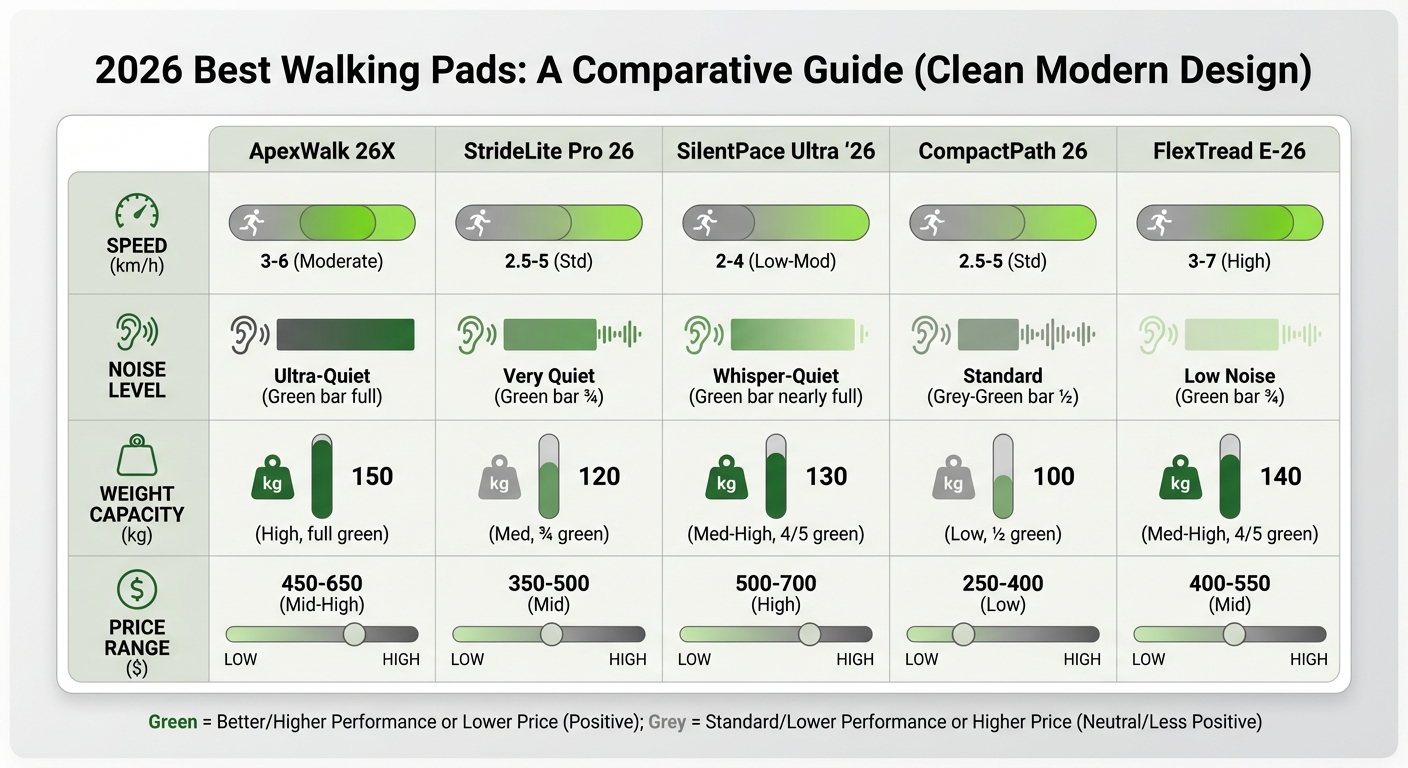
| Rank | Brand & Model | Price Range | Max Speed | Belt Size | Weight Capacity | Best For |
|---|---|---|---|---|---|---|
| 1 | WalkingPad X21 | $399–$449 | 7.5 mph | 17" × 48" | 265 lbs | Overall best |
| 2 | Goplus 2-in-1 Folding Treadmill | $249–$299 | 6.0 mph | 16" × 44" | 265 lbs | Budget pick |
| 3 | UREVO 2S | $199–$249 | 4.0 mph | 16" × 42" | 240 lbs | Small spaces |
| 4 | Sperax Walking Pad | $299–$349 | 6.0 mph | 17" × 46" | 280 lbs | Heavy-duty use |
| 5 | WalkingPad A1 Pro | $349–$399 | 4.0 mph | 16.5" × 47" | 230 lbs | Quiet operation |
| 6 | UMAY Under Desk Treadmill | $199–$229 | 4.0 mph | 16" × 42" | 240 lbs | Under $250 |
| 7 | Egofit Walker M1 | $349–$399 | 3.7 mph | 16" × 44" | 220 lbs | Walking only |
| 8 | REDLIRO Under Desk Treadmill | $259–$299 | 6.0 mph | 16" × 44" | 250 lbs | Versatility |
| 9 | Citysports WP1 | $219–$269 | 4.0 mph | 15.5" × 42" | 220 lbs | Portability |
| 10 | XTERRA TR150 Folding Treadmill | $349–$449 | 10.0 mph | 16" × 50" | 250 lbs | Walking + running |
Prices reflect typical retail ranges as of early 2026. Actual prices may vary.
Top 5 Walking Pads: Detailed Reviews
1. WalkingPad X21 — Best Walking Pad Overall
Price: $399–$449 Max Speed: 7.5 mph Belt Size: 17" × 48" Weight Capacity: 265 lbs Foldable: Yes (folds in half)
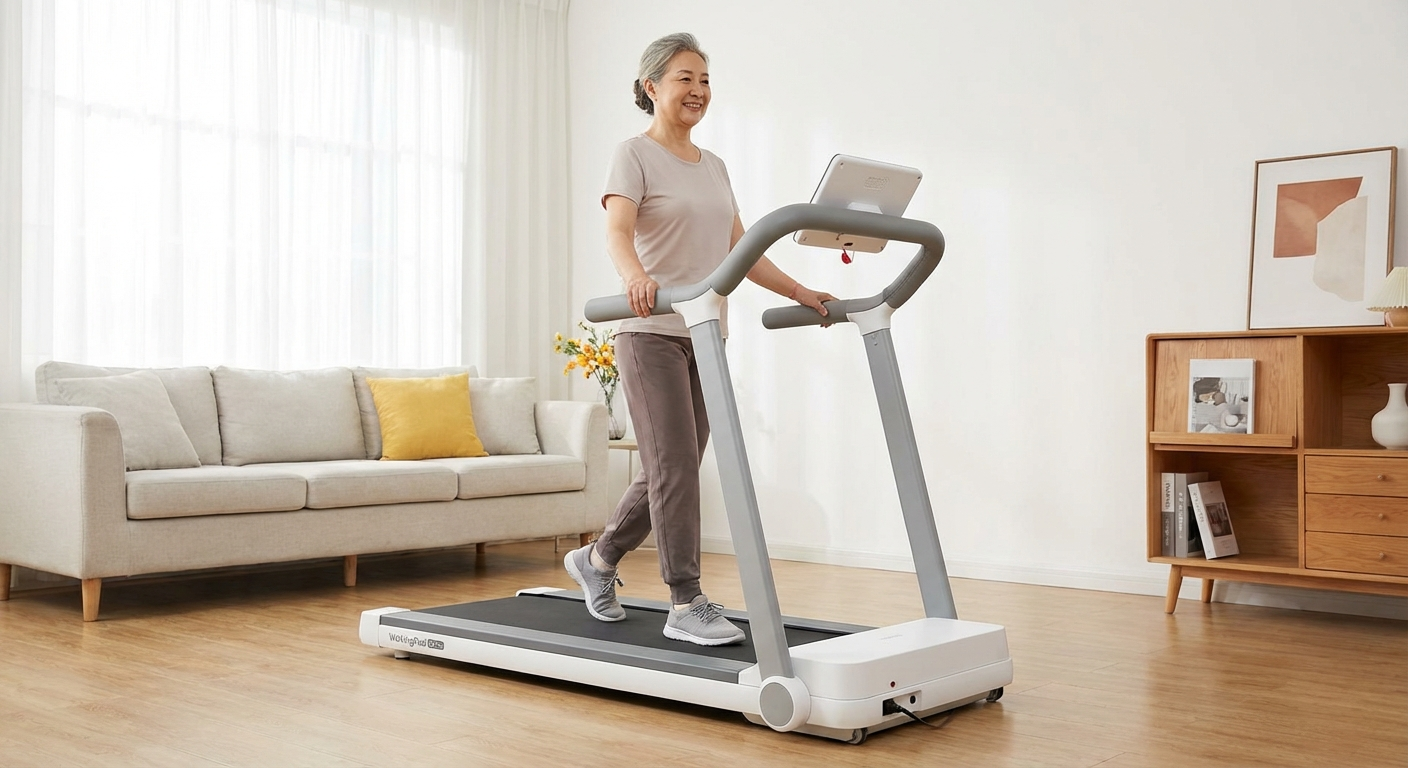
The WalkingPad X21 earns our top spot as the best walking pad of 2026 for its combination of build quality, belt space, and user-friendly features. It folds in half for easy storage and slides under most couches or beds when not in use — a must for anyone short on space.
The 17-inch-wide belt gives you breathing room during walks, while the 7.5 mph top speed means you can transition from a slow stroll to a light jog. The adaptive speed control feature adjusts pace based on your position on the belt, which is a genuinely useful touch once you get used to it.
Noise levels stay impressively low at walking speeds — most users report being able to take calls without issue. The companion app tracks steps, calories, distance, and session history.
Pros:
- Spacious belt for a foldable walking pad
- Quiet motor suitable for office and home use
- Intuitive app with session tracking
- Folds flat for storage
- Good top speed for jogging
Cons:
- Heavier than ultra-compact models (~55 lbs)
- Premium price point
- App can be slow to connect via Bluetooth
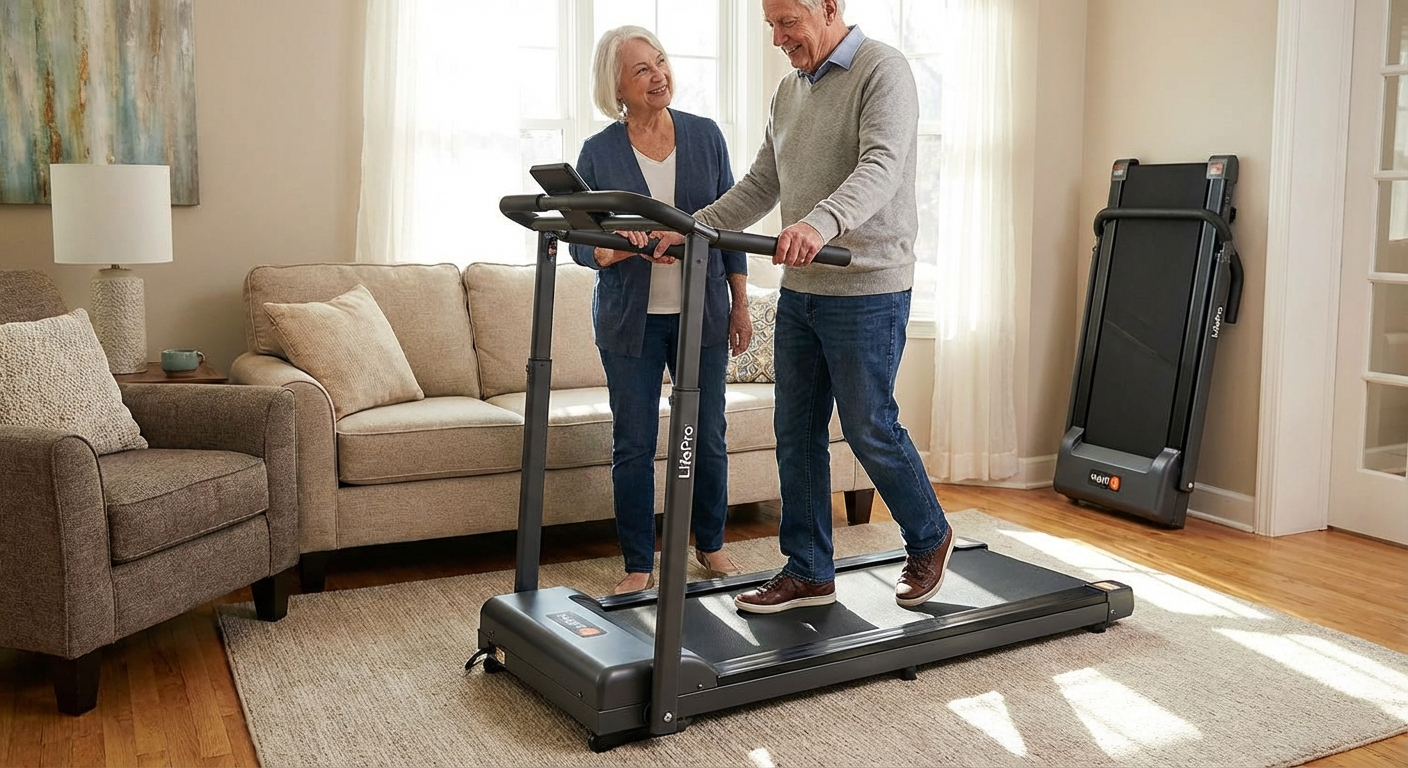
For a deeper look at how walking pads stack up against traditional treadmills, see our comparison guide:
2. Goplus 2-in-1 Folding Treadmill — Best Budget Walking Pad
Price: $249–$299 Max Speed: 6.0 mph Belt Size: 16" × 44" Weight Capacity: 265 lbs Foldable: Yes (handlebar folds down)
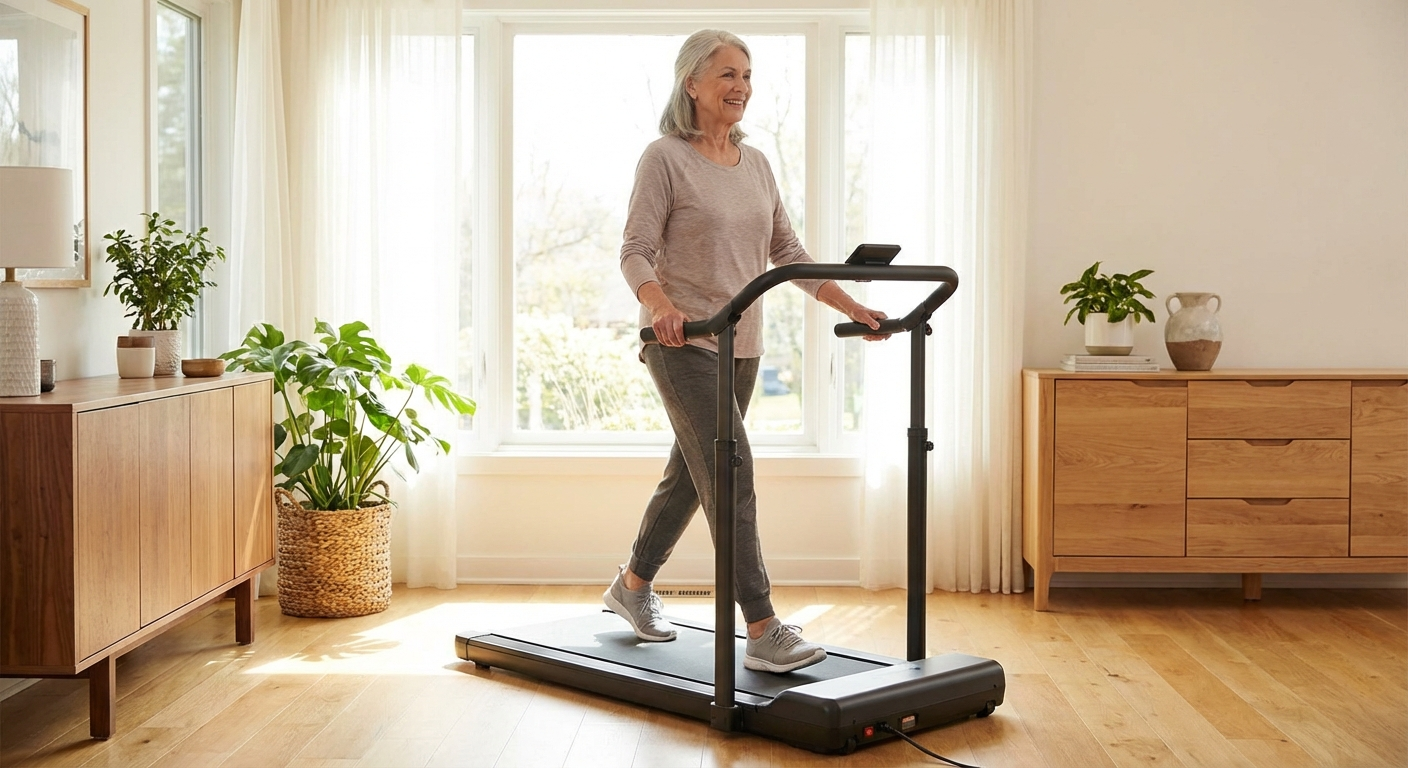
The Goplus 2-in-1 is the walking pad for standing desk setups on a budget. Its clever 2-in-1 design gives you a flat walking pad when the handlebar is folded down (speeds 0.6–4.0 mph) and a traditional treadmill experience when raised (speeds up to 6.0 mph).
Build quality is solid for the price. The belt is a bit narrower than our top pick, but 16 inches is adequate for comfortable walking. The LED display on the front of the machine shows speed, distance, time, and calories — viewable when walking without the riser.
At under $300, it punches well above its weight class. If you want a foldable walking pad that can double as a light running treadmill, this is the sweet spot.
Pros:
- Excellent value under $300
- Dual-mode design (walk or jog)
- Decent weight capacity (265 lbs)
- Remote control included
- Quiet enough for office use
Cons:
- Belt slightly narrow at 16"
- No app connectivity
- Handlebar feels basic compared to premium models
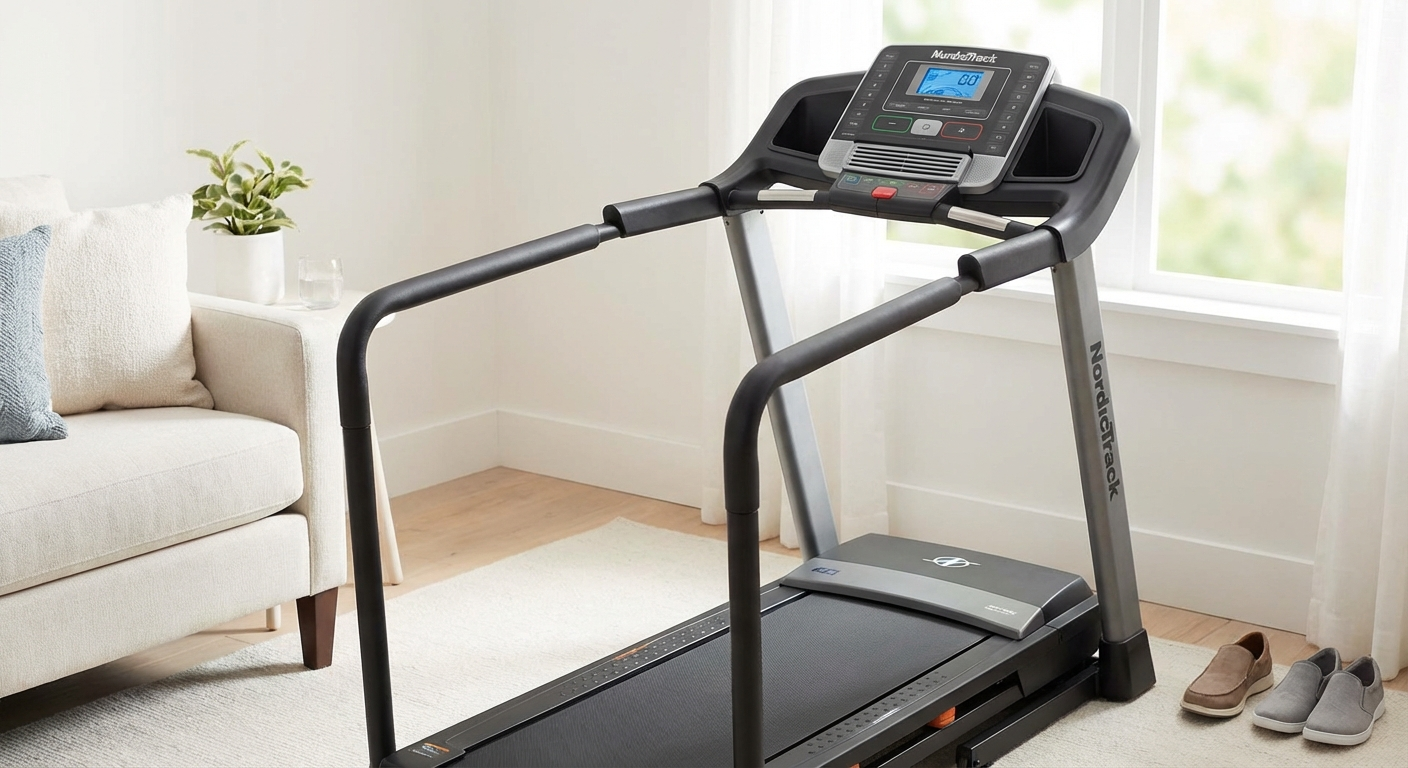
Looking for more options in this price range? Check out: . Also review walking pad weight limit guide if you need higher-capacity models.
3. UREVO 2S — Best Walking Pad for Small Spaces
Price: $199–$249 Max Speed: 4.0 mph Belt Size: 16" × 42" Weight Capacity: 240 lbs Foldable: No (flat, slide-under design)
If your priority is a walking pad that practically disappears when you're not using it, the UREVO 2S is hard to beat. At roughly 5 inches tall, it slides under a couch, bed, or desk without any folding required. Just walk, stop, and slide it out of sight.
The 4.0 mph max speed is purpose-built for walking — you won't be doing any jogging on this one. But that limitation is also its strength: the lower-speed motor runs whisper-quiet, making it one of the most office-friendly options on the market.
The UREVO 2S uses a simple remote control for speed adjustments. There's no app, no complicated setup — just plug in and walk. For people who want a no-fuss under desk treadmill, this simplicity is a feature, not a drawback.
Pros:
- Ultra-slim profile slides under furniture
- Very quiet motor
- Simple remote control operation
- Affordable price point
- Lightweight and easy to move
Cons:
- 4.0 mph max — walking only
- No app or Bluetooth connectivity
- Belt is on the shorter side (42")
- Lower weight capacity than competitors
4. Sperax Walking Pad — Best for Higher Weight Capacities
Price: $299–$349 Max Speed: 6.0 mph Belt Size: 17" × 46" Weight Capacity: 280 lbs Foldable: Yes
The Sperax stands out for its 280 lb weight capacity — among the highest in the walking pad category. If you're a larger user or simply want extra structural confidence, this is the model to consider.
The 17-inch-wide belt and 46-inch length provide a comfortable walking surface. The motor handles speeds up to 6.0 mph, giving you flexibility for both walking and light jogging. Build quality feels reassuringly solid without being excessively heavy.
An LED display embedded in the unit shows real-time stats, and the included remote lets you adjust speed without breaking stride. The folding mechanism works smoothly, though the unit is heavier than smaller alternatives (~60 lbs).
Pros:
- Industry-leading 280 lb weight capacity
- Wide, comfortable belt
- Sturdy build quality
- Speeds up to 6.0 mph
- Good app with workout tracking
Cons:
- Heavier than most walking pads
- Takes up more floor space
- Slightly louder than ultra-compact models
5. WalkingPad A1 Pro — Best for Quiet Operation
Price: $349–$399 Max Speed: 4.0 mph Belt Size: 16.5" × 47" Weight Capacity: 230 lbs Foldable: Yes (folds in half)
The WalkingPad A1 Pro is a refined, minimalist walking pad designed for people who value near-silent operation above all else. If you work from home and take frequent calls, or if you share a space with light sleepers, the A1 Pro's quiet motor is its killer feature.
KingSmith (the company behind WalkingPad) has built a strong reputation in the walking pad space, and the A1 Pro reflects that with polished build quality and a reliable folding mechanism. The adaptive speed control — which adjusts your pace based on where you stand on the belt — works well here, though some users prefer manual control via the remote.
The 4.0 mph cap means this is strictly a walking pad, not a jogging platform. The belt is a comfortable 47 inches long, and the 16.5-inch width is adequate for most users.
Pros:
- Exceptionally quiet motor
- Premium build quality
- Smooth folding mechanism
- Adaptive speed control
- Trusted brand with good support
Cons:
- 4.0 mph limit — no jogging
- 230 lb weight capacity is lower than average
- Premium price for a walk-only device
- Adaptive speed takes getting used to
Curious whether a walking pad is right for your workflow? Read more here:
How to Choose a Walking Pad
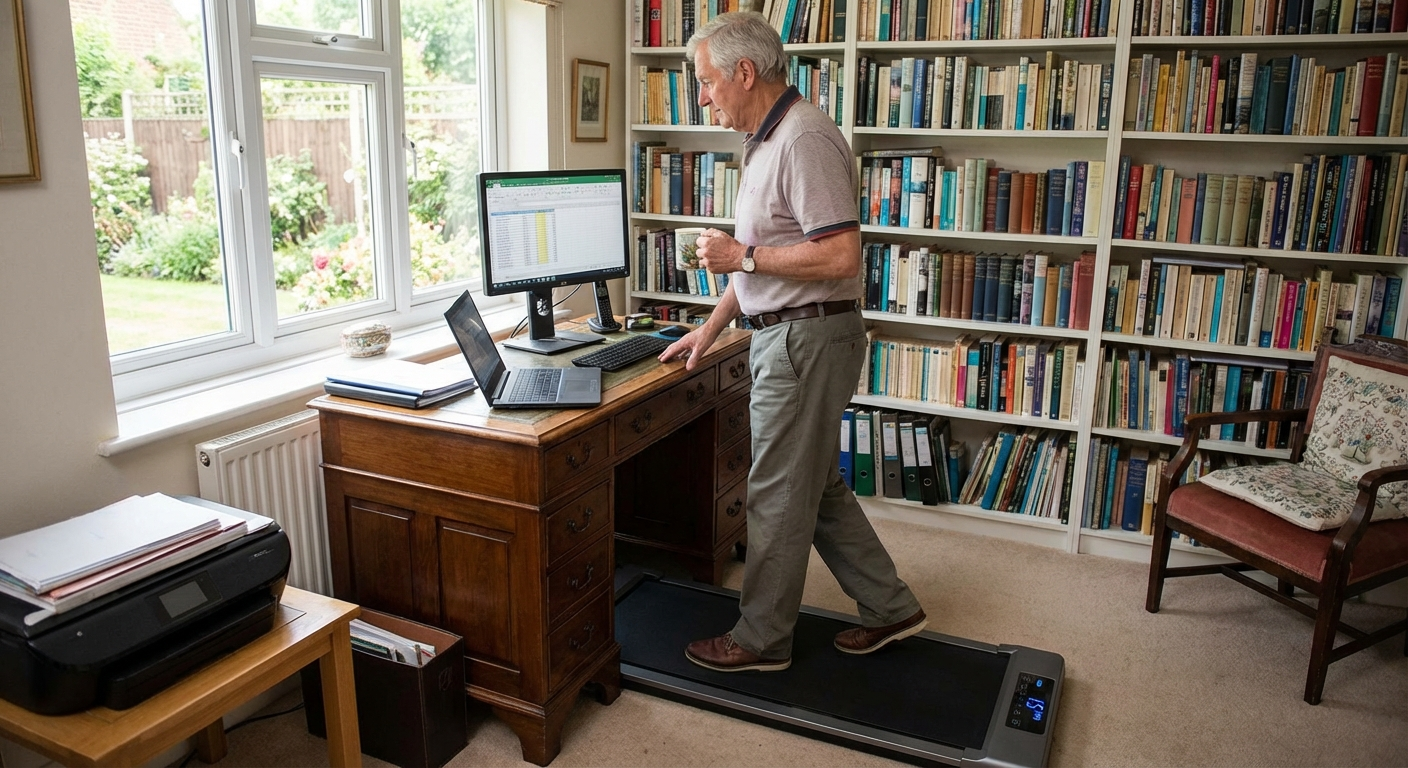
Not sure which under desk treadmill is right for you? Here's what to look for when shopping for a walking pad for your standing desk setup — or for general home use.
Speed Range
Walking pads generally fall into two categories:
- Walk-only models (up to 4 mph): Quieter motors, more compact designs, and purpose-built for steady walking while working. If your primary goal is to stay active at your desk, a 4 mph cap is plenty.
- Walk-and-jog models (up to 6–8 mph): More versatile, letting you use the pad for exercise sessions outside of work hours. These tend to be slightly larger and louder.
Think about how you'll actually use it. If it lives under your standing desk all day, a walk-only model is likely the better fit. If you want a dual-purpose device for work and fitness, opt for a higher top speed.
Noise Level
Noise is arguably the most important factor for anyone using a walking pad while working. A noisy motor defeats the purpose of walking while you take calls or focus on deep work.
Most quality walking pads operate between 40–50 dB at walking speeds — roughly the volume of a quiet conversation. Cheaper models or those with higher top speeds can push into the 55–65 dB range, especially at faster paces.
Tips for minimizing noise:
- Place the walking pad on a rubber mat to dampen vibrations
- Keep the belt lubricated per the manufacturer's instructions
- Walk at moderate speeds (2.0–3.0 mph is the sweet spot for most people working)
For more on using a walking pad during your workday:
Belt Size
Belt dimensions directly affect comfort:
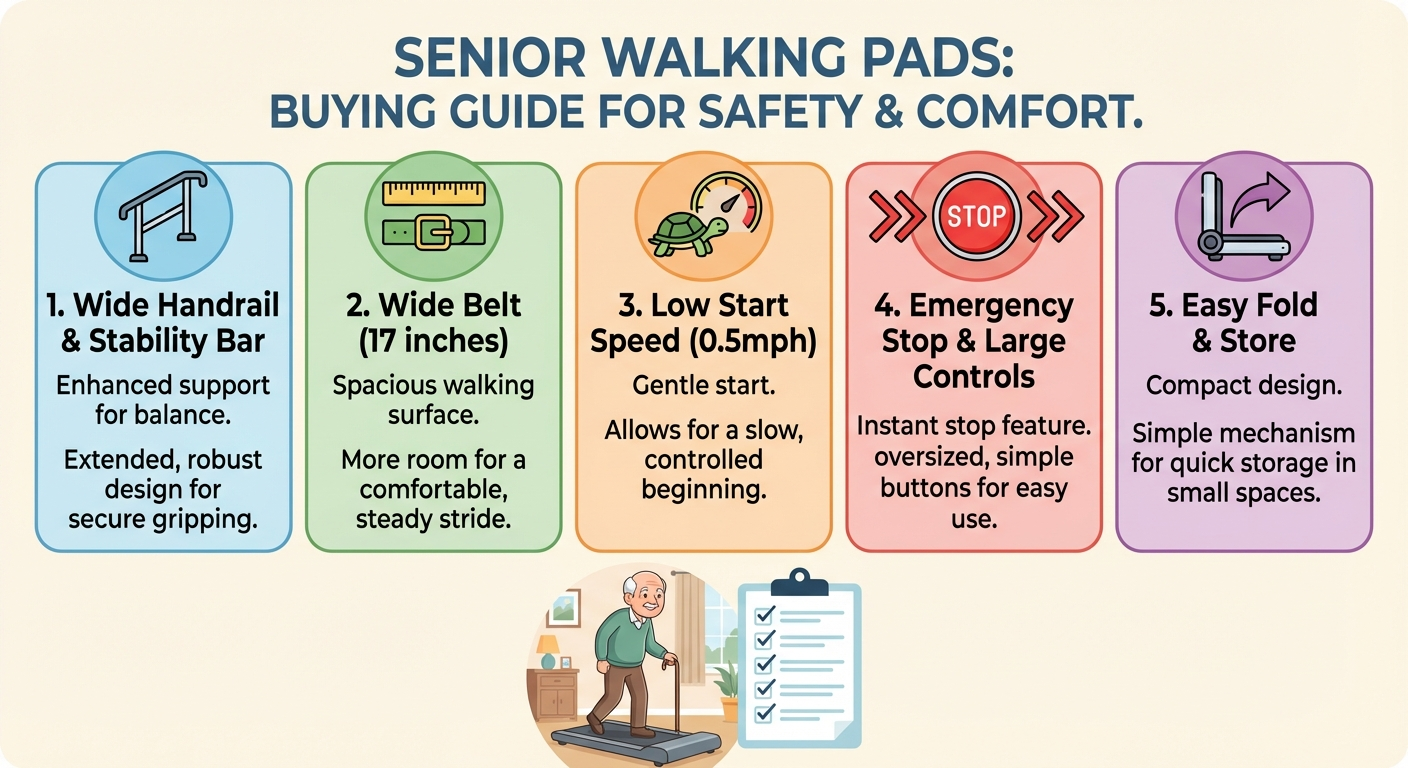
- Width: 16 inches is the minimum for comfortable walking. If you're broader or like to walk naturally without watching your step, look for 17+ inches.
- Length: 42 inches works for walking at moderate speeds. If you plan to jog, aim for 46 inches or more. Taller users (6'+) should prioritize longer belts.
Don't underestimate the importance of belt size. A cramped walking surface leads to an awkward gait, which can cause discomfort or even strain over time.
Weight Capacity
Always check the manufacturer's stated weight capacity and give yourself a comfortable margin. Most walking pads support between 220–280 lbs. If you're near a model's limit, consider sizing up — running near maximum capacity can strain the motor and reduce the lifespan of the belt.
Portability and Storage
One of the biggest advantages of a walking pad over a traditional treadmill is portability. Consider:
- Weight: Walking pads range from roughly 35–65 lbs. If you need to move it frequently, lighter is better.
- Folding mechanism: Some fold in half (like the WalkingPad X21), while others stay flat and slide under furniture (like the UREVO 2S). Both approaches work — choose based on your space.
- Transport wheels: Some models include built-in wheels for easy repositioning. A small feature, but genuinely helpful on hard floors.
App Features and Connectivity
Many modern walking pads connect to companion apps via Bluetooth, offering features like:
- Step and calorie tracking
- Session history
- Speed control from your phone
- Goal setting and reminders
If data tracking matters to you, prioritize models with well-reviewed apps. Some walking pads also integrate with Apple Health, Google Fit, or Fitbit, which can be useful for consolidating your activity data.
That said, an app is a nice-to-have, not a must-have. Several excellent walking pads (like the UREVO 2S) skip the app entirely in favor of simplicity.
Walking Pad vs. Traditional Treadmill: Which Do You Need?
Walking pads and traditional treadmills serve different purposes. Here's the quick breakdown:
| Feature | Walking Pad | Traditional Treadmill |
|---|---|---|
| Max speed | 4–8 mph | 10–12+ mph |
| Belt size | 15"–17" × 42"–48" | 18"–22" × 50"–60" |
| Footprint | Compact, storable | Large, permanent |
| Noise | Low to moderate | Moderate to high |
| Price | $150–$500 | $500–$3,000+ |
| Best for | Walking while working | Dedicated cardio/running |
If you want a device that fits under your desk and keeps you moving during the workday, a walking pad is the clear choice. If you're training for a 5K or need incline settings and advanced programming, a full treadmill is worth the space and investment.
Full breakdown here:
How to Get the Most Out of Your Walking Pad
Once you've chosen your walking pad, here are a few tips to maximize the benefits:
-
Start slow. Begin at 1.5–2.0 mph while you adjust to walking and working simultaneously. Most people find their groove around 2.0–2.5 mph for productive work sessions.
-
Wear the right shoes. Supportive sneakers make a difference. Avoid walking barefoot or in socks — the belt can cause friction burns, and you lose traction.
-
Position your desk correctly. Your monitor should be at eye level and your keyboard at elbow height. A walking pad changes your height slightly, so adjust your standing desk accordingly.
-
Schedule walking blocks. Rather than walking all day, alternate between walking and standing (or sitting). Thirty-minute walking blocks with breaks are sustainable for most people.
-
Maintain your machine. Lubricate the belt every few months per the manufacturer's guidelines, keep the surface clean, and store it properly when not in use.
Frequently Asked Questions
What is a walking pad?
A walking pad is a compact, low-profile treadmill designed primarily for walking at speeds up to 4–8 mph. Most walking pads are slim enough to slide under a desk or fold for storage, making them popular for home offices and standing desk setups. Unlike traditional treadmills, they typically lack handlebars, large displays, and incline features — prioritizing portability and quiet operation instead.
Are walking pads worth it?
For most people who work at a desk, yes. Studies suggest that walking at a low pace (1.5–2.5 mph) while working does not significantly impact cognitive performance for most tasks, while adding 5,000–10,000+ steps to your daily total. The health benefits of reducing sedentary time — including improved cardiovascular health, better mood, and lower back pain relief — are well documented. That said, walking pads are an investment, and cheaper alternatives like standing or taking walk breaks also help. Our full analysis:
Can you run on a walking pad?
Some walking pads support speeds up to 6–8 mph, which is enough for a light jog. However, most walking pads are not designed for sustained running — the belt is typically shorter and narrower than a traditional treadmill, and the motor may not handle prolonged high-speed use. If running is a priority, consider a model with a higher speed range and a longer belt (46"+ recommended), or look at compact folding treadmills like the XTERRA TR150.
How loud are walking pads?
Most walking pads produce between 40–50 dB at walking speeds, which is comparable to a quiet office environment. At higher speeds (4+ mph), noise can increase to 55–65 dB. Factors that affect noise include motor quality, belt condition, floor surface, and walking speed. Placing a rubber mat under the unit and keeping the belt lubricated will help minimize noise.
What speed should I walk at while working?
Most users find 1.5–2.5 mph ideal for working. At this range, you can type comfortably, take calls, and maintain focus without your walking interfering with cognitive tasks. Start at the lower end and gradually increase as you get comfortable. Tasks requiring deep focus (writing, coding) may be easier at slower speeds, while routine tasks (email, meetings) work well at higher paces.
How much space do I need for a walking pad?
Most walking pads require roughly 2 feet × 5 feet of floor space during use. When not in use, foldable models typically occupy about 2 feet × 2.5 feet standing upright, or 2 feet × 5 feet × 5 inches if stored flat under furniture. Measure your space before purchasing, and remember to account for room to step on and off safely.
Do walking pads need maintenance?
Walking pads require minimal maintenance. The key tasks are:
- Belt lubrication: Apply silicone-based treadmill lubricant every 3–6 months (or per manufacturer instructions) to keep the belt running smoothly and quietly.
- Belt alignment: Check periodically that the belt is centered. Most models include an Allen wrench for minor adjustments.
- Cleaning: Wipe down the belt and frame regularly to prevent dust buildup, which can affect performance.
- Storage: Store in a dry, temperature-stable environment. Avoid leaving it in direct sunlight or extreme cold.
Can I use a walking pad with any standing desk?
Yes — walking pads work with virtually any standing desk, though there are a few things to consider. Your desk needs enough height range to accommodate the added elevation of the walking pad (typically 4–6 inches). Electric standing desks with a wide height range are ideal. Also ensure your desk is deep enough that the walking pad doesn't protrude from the front. For the best setup tips, see:
What's the difference between a walking pad and an under desk treadmill?
The terms are largely interchangeable. "Walking pad" typically refers to ultra-slim, foldable models designed primarily for walking (max 4 mph). "Under desk treadmill" is a broader term that includes both walk-only pads and slightly larger models that support jogging speeds (up to 6–8 mph). Both are designed to fit under or near a standing desk.
Final Verdict
The best walking pad for most people is the WalkingPad X21 — it balances belt size, build quality, noise level, and portability better than anything else at its price point. If budget is a concern, the Goplus 2-in-1 delivers impressive value under $300. And if you need the most compact option possible, the UREVO 2S slides under your furniture and stays out of sight.
Whatever you choose, adding a walking pad to your workspace is one of the simplest ways to fight the health effects of sitting all day. Start slow, stay consistent, and let the steps add up.
This article contains affiliate links. We may earn a commission at no additional cost to you if you purchase through these links. All recommendations are based on independent evaluation. See our affiliate disclosure for details.
Last updated: March 2026
Visual Guide Gallery